Category

EPLAN

Category

When you’re working on semiconductor manufacturing equipment, you’re not just dealing with another industrial machine. You’re designing the electrical backbone for processes that operate at tolerances measured in nanometers, where a single voltage fluctuation can destroy wafers worth hundreds of thousands of dollars. If you’ve ever wondered why electrical control panel design for semiconductor equipment seems so complex compared to other industries, the answer lies in the intersection of three demanding requirements: ultra-clean power that…

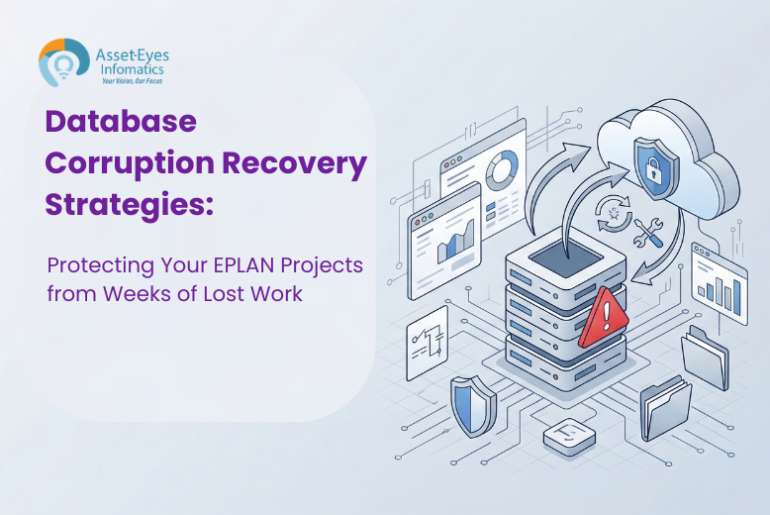
Have you felt that punch in the gut when you saw the words “Database corruption detected.” flashing across your screen? Even veteran designers don’t grow immune to the feeling. Will the entire project be lost, or can it still be saved? How do you explain this to your client or manager? Database corruption in EPLAN isn’t just a technical hiccup, it’s a productivity killer that can destroy weeks of work and derail project timelines. This…

Have you ever found yourself staring at an electrical schematic, trying to figure out why the wiring doesn’t match the terminal diagrams? Or watched a commissioning project stall because someone couldn’t locate the right connection point in a maze of outdated documentation? If you’re involved in system integration or OEM production, you know these scenarios all too well. Electrical documentation quality can make or break your project timeline, and traditional approaches have reached their limits…

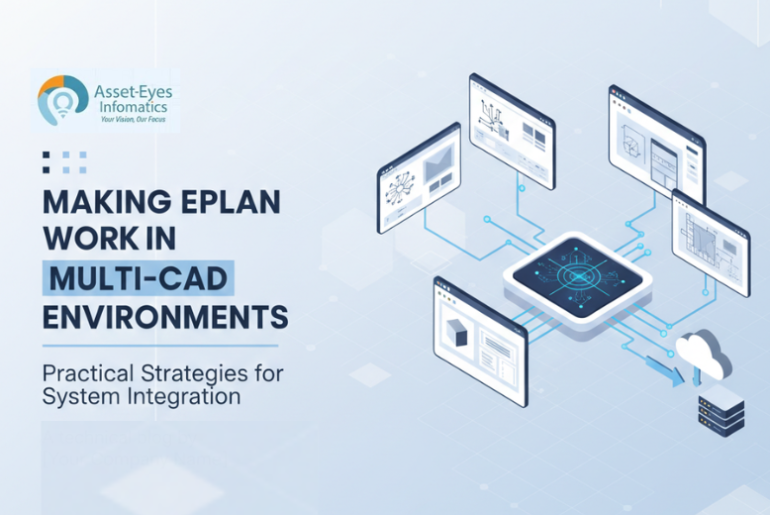
When your engineering team gets approval for that EPLAN investment you’ve been requesting, it’s great news. However, if your reality is that you have fifteen years of AutoCAD electrical drawings, active projects in SolidWorks Electrical, and legacy documentation that your panel builders still reference daily. A lot of organizations don’t get the luxury of clean-slate implementations. The real challenge is making EPLAN work alongside your existing systems without bringing current projects to a grinding halt.…

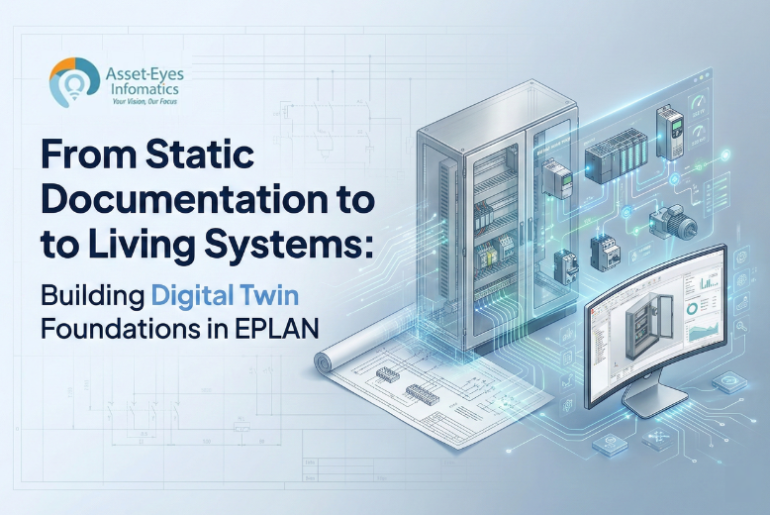
For engineers already deep in EPLAN Electric P8 and Pro Panel, the real opportunity isn’t another dashboard showing live sensor readings. It’s using the structured data you already create as a foundation for IIoT systems that connect design intent with real world operation. The question isn’t whether digital twins are worth pursuing, it’s whether your EPLAN projects are structured to support them. 1. The Data Fragmentation Problem Controls engineers will be familiar with this scenario…