Author

Hani Sami Anish

Browsing

This scenario plays out in offices, homes, and commercial spaces worldwide: Your customer tears open the flat-pack commercial furniture box, dumps forty-seven parts across the floor, glances at the instruction booklet once, sets it aside with confidence, and starts building from intuition. Twenty minutes later, Panel C is installed backwards, one cam lock is stripped, and they’re questioning every life decision that led to this moment. For manufacturers and designers of commercial furniture, these assembly…

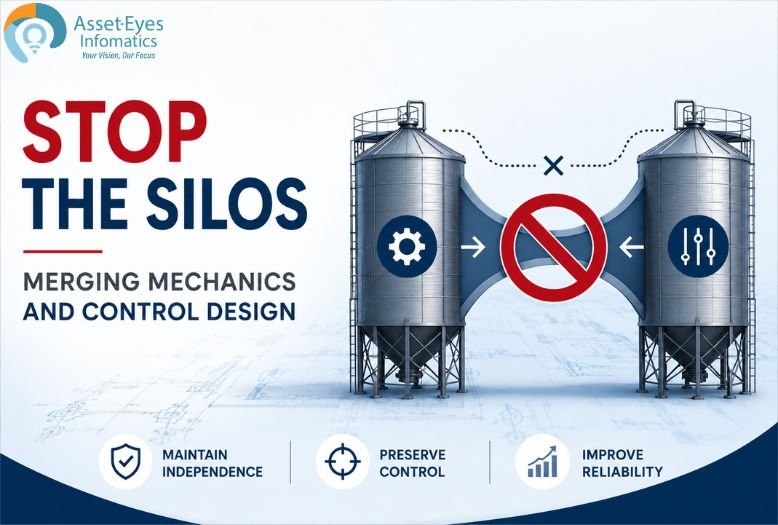
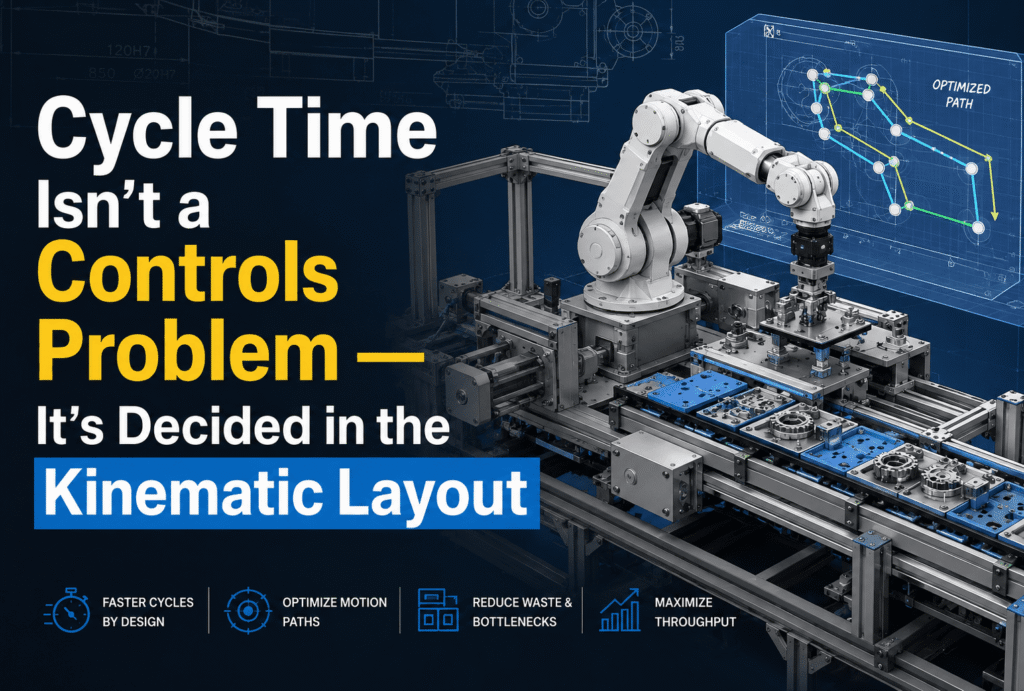
Picture this all-too-familiar commissioning day scenario: You’re standing on the shop floor watching a beautifully engineered machine that should be running perfectly. The mechanical team built a robust, precision frame that moves exactly as designed. The control design team programmed flawless logic that runs like a dream in simulation. But when it’s time to bring them together, chaos unfolds. The proximity sensor has nowhere to mount properly. Cable routing paths are completely blocked by moving…

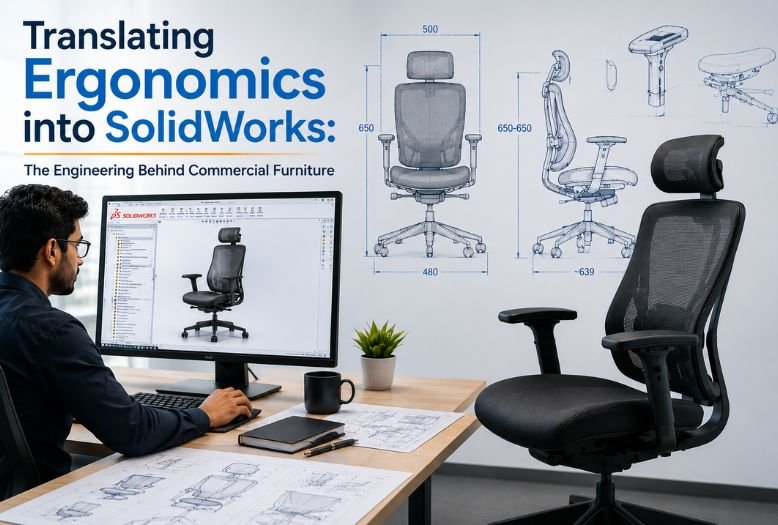
Picture this: A designer sketches a sleek office chair that “feels perfect” in their vision. Six months later, that same chair is wobbling in a conference room, causing back pain complaints, and requiring warranty replacements. What went wrong between the beautiful sketch and the failed product? The gap between “looks comfortable” and “survives five years of daily abuse” is where real engineering happens. Commercial furniture isn’t just about aesthetics—it’s about turning abstract human comfort into…

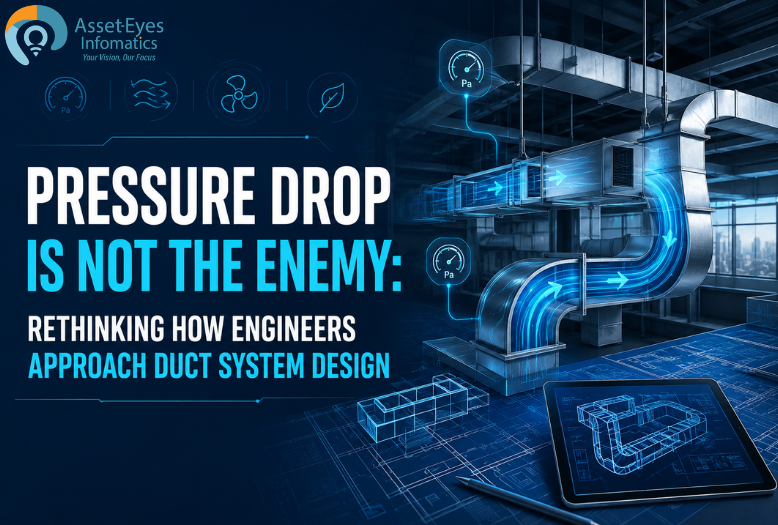
Picture this scenario: You’re reviewing an industrial ventilation system design and the first suggestion from the team is to upsize all the ductwork, add more gentle transitions, and spec a bigger fan—all to minimize pressure drop. The system gets built, commissioned, and then reality hits. Airflow distribution is uneven, the controls are constantly hunting, and what looked perfect on paper performs poorly in the plant. What went wrong? The team solved for the wrong problem.…

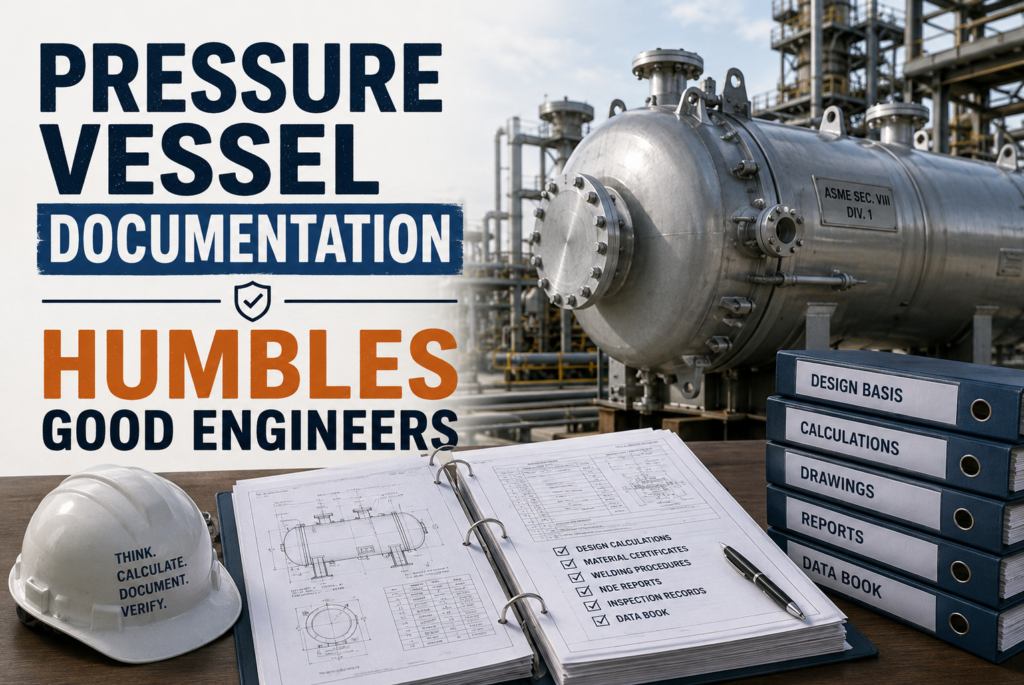
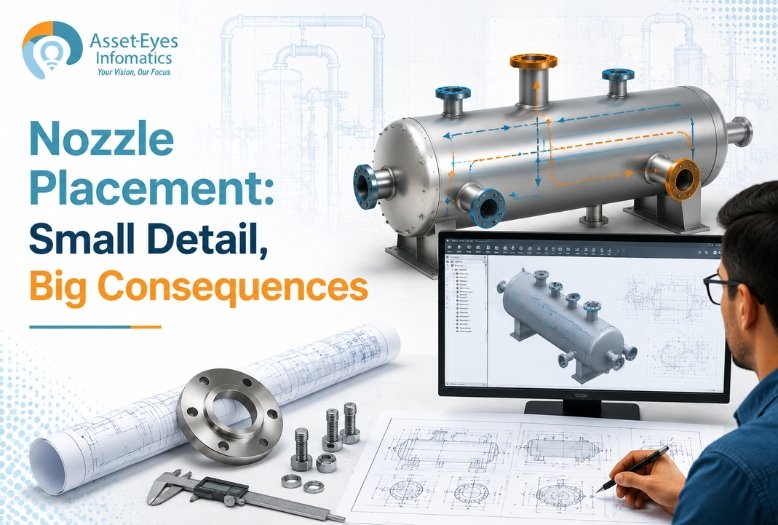
Picture this: You’re reviewing a pressure vessel design that’s nearly complete. The engineers have completed the shell calculations, locked in the head geometry, and finalized the support structure. Then the team asks about nozzle placement, a small detail that is often treated casually. Too often, someone responds, “Just put them wherever they fit around existing features.” This ignores how their position affects efficiency, safety, and maintenance. Thoughtful nozzle placement can significantly improve overall system performance.…

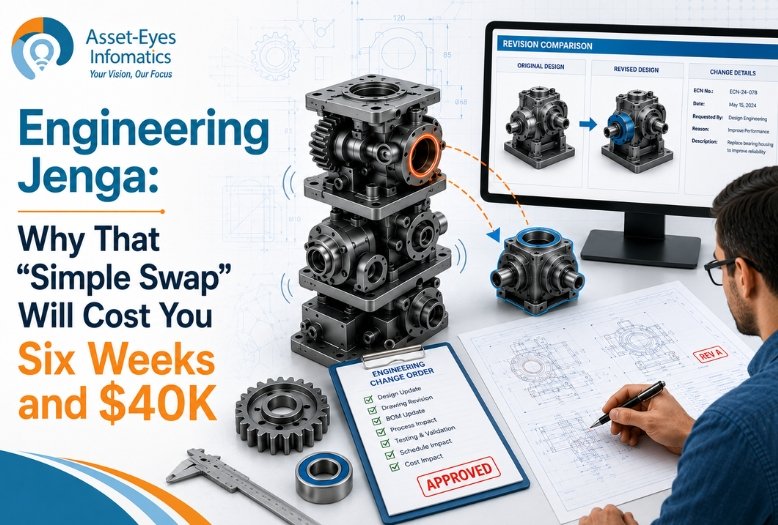
Picture this: You’re staring at a perfectly finalized electrical control panel design. Every wire is routed, every clearance is checked, and the EPLAN electrical drawings are ready for fabrication. Then, suddenly, the reality of Engineering Jenga hits. The variable frequency drive you specified faces a 40-week lead time, or worse, the manufacturer declares it obsolete. You need to swap it out for an alternative. How hard could it be when it’s just one component, right?…

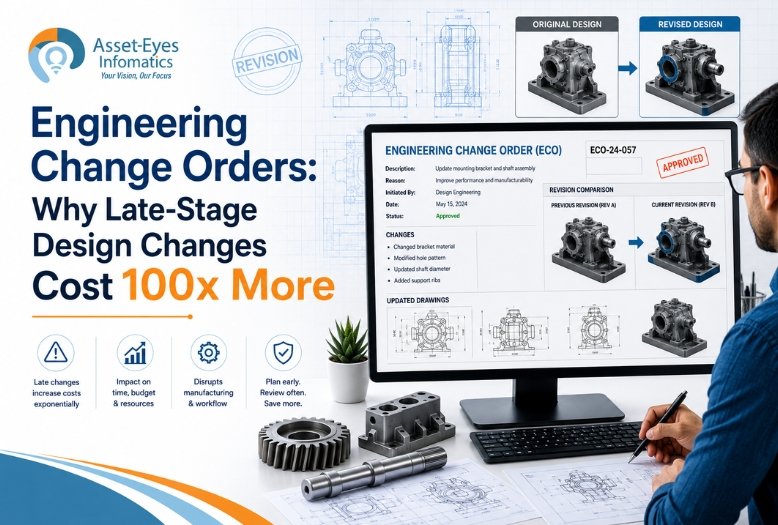
Picture this: Your industrial ventilation project is 90% complete. The team finished the motor control panel design. The fabrication team completed the equipment, and the installation team will start work next week. Then someone notices the exhaust fan motor needs upgrading from 15kW to 18.5kW, a “minor” change that seems like a simple specification update. In most projects, this is where costly Engineering Change Orders begin to spiral through documentation, procurement, fabrication, and installation. “It’s…

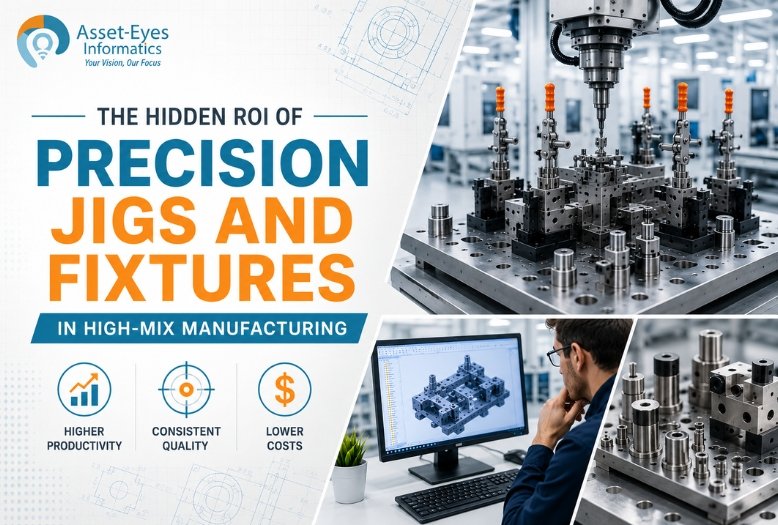
Walk through any manufacturing trade show, and you’ll see the headliners: six-axis robots performing intricate welds. Autonomous vehicles navigating warehouse floors, and million-dollar automated workcells that promise to revolutionize production. These technologies grab attention, earn press coverage, and dominate capital equipment budgets. Yet behind many successful production lines. Simple but critical tools like Jigs and Fixtures quietly ensure accuracy, repeatability, and faster manufacturing cycles every day. What about your typical high-mix manufacturing facility? What actually…

Picture this: you’re walking through your manufacturing facility in 2033. The equipment is humming, orders are flowing in, but half the engineering workstations sit empty. Your CAD drawing backlog stretches for months. Critical projects stall not because of supply chain issues, but because there’s simply no one to design them. This growing Manufacturing Talent Gap is becoming one of the biggest challenges for industrial companies worldwide. This isn’t science fiction, it’s the mathematical trajectory we’re…

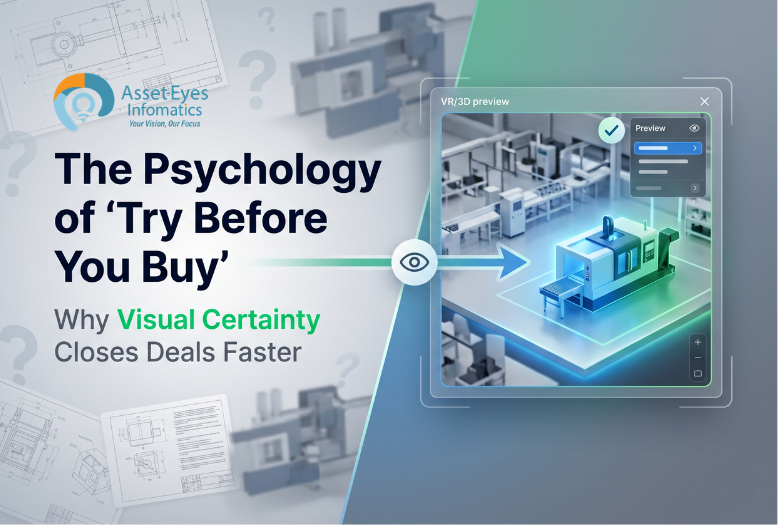
Picture this: You’re about to invest $75,000 in a custom industrial ventilation systems design for your manufacturing facility. The engineering team shows you detailed specifications, performance calculations, and glowing case studies. Everything looks perfect on paper. Yet something holds you back from signing the purchase order. You keep thinking, “But what will it actually look like in my facility? How will operators navigate around it? Will maintenance access really be adequate?” That hesitation isn’t indecision,…