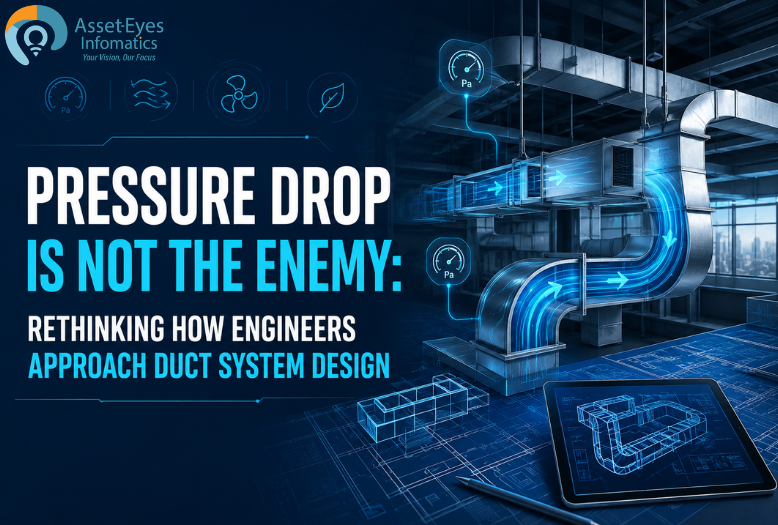

Picture this scenario: You’re reviewing an industrial ventilation system design and the first suggestion from the team is to upsize all the ductwork, add more gentle transitions, and spec a bigger fan—all to minimize pressure drop. The system gets built, commissioned, and then reality hits. Airflow distribution is uneven, the controls are constantly hunting, and what looked perfect on paper performs poorly in the plant. What went wrong? The team solved for the wrong problem.…
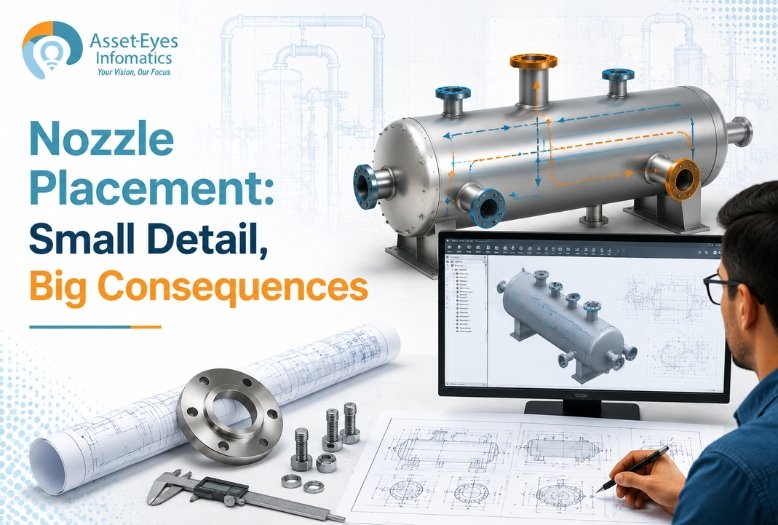
Picture this: You’re reviewing a pressure vessel design that’s nearly complete. The engineers have completed the shell calculations, locked in the head geometry, and finalized the support structure. Then the team asks about nozzle placement, a small detail that is often treated casually. Too often, someone responds, “Just put them wherever they fit around existing features.” This ignores how their position affects efficiency, safety, and maintenance. Thoughtful nozzle placement can significantly improve overall system performance.…
Picture this: You’re staring at a perfectly finalized electrical control panel design. Every wire is routed, every clearance is checked, and the EPLAN electrical drawings are ready for fabrication. Then, suddenly, the reality of Engineering Jenga hits. The variable frequency drive you specified faces a 40-week lead time, or worse, the manufacturer declares it obsolete. You need to swap it out for an alternative. How hard could it be when it’s just one component, right?…
Picture this: Your industrial ventilation project is 90% complete. The team finished the motor control panel design. The fabrication team completed the equipment, and the installation team will start work next week. Then someone notices the exhaust fan motor needs upgrading from 15kW to 18.5kW, a “minor” change that seems like a simple specification update. In most projects, this is where costly Engineering Change Orders begin to spiral through documentation, procurement, fabrication, and installation. “It’s…